

Picture opening your back door and walking straight into your own backyard retreat—clear blue water, sunlight dancing across the surface, and that peaceful ripple that instantly says you’re home. It’s the kind of space where weekends stretch a little longer and family memories practically make themselves.
Pretty great vision, right?
Before you jump in, though, there’s one important step to cover: figuring out the smartest way to fund your pool project. Financing might not be as exciting as cannonballs and cookouts, but it’s what turns a great idea into a solid plan. At Pool Pros, our goal is to help you move forward with clarity and confidence, so let’s take a closer look at the options available to help bring your backyard vision to life.
Understanding the True Cost of a Pool
Before we jump into Pool Financing we need to get a full grasp of the true cost of a fiberglass pool. Having a grasp on these costs is critical for determining how much you will need to finance and what type of financing is best for your situation.
1: Initial Cost of Installation
-
The Pool
-
Excavation & Site Preperation
-
Plumbing and Electrical Work
-
Decking and Landscaping
-
Safety Features i.e. fencing, covers, alarms,etc.
2: Recurring Costs
-
Pool Chemicals
-
Utility Bills
-
Regular Maintenance and Repairs
How much does a pool cost?
Pool Costs can vary widely depending on the type of pool, size, features, and location. Here is a rough breakdown for pools in Wisconsin. Remember, these are simply starting points. Options, accessories and site conditions can play a significant role in the true overall cost of a pool project. We will dive in deeper on cost at the end of this pool financing guide but here is a good starting point for reference.
Fiberglass Pools: $85,000.00 - $200,000.00
Concrete Pools: $75,000.00-$190,000.00
Vinyl Liner Pools: $45,000.00 - $90,000.00
Financial Readiness: Can you dive in?
Before you start picking out pool floats, let's make sure you're on solid financial ground. Here's what lenders (and your future self) will want to see:
1. Stable Income: Is your job secure? Lenders typically look for two years of steady employment. If you're self-employed, be prepared to provide additional documentation of your income stability.
2. Healthy Credit Score: The higher your score, the better your loan terms. Here's a general guide:
-
Excellent: 750+
-
Good: 700-749
-
Fair: 650-699
-
Poor: Below 650
If your score is below 650, you might want to work on improving it before applying for a pool loan.
3. Manageable Debt-to-Income Ratio: Lenders typically require this to be under 43% and ideally would like to see it at 36% or less. To calculate your DTI, add up all your monthly debt payments and divide by your gross monthly income.
4. Home Equity: For home equity loans or HELOCs, you'll typically need at least 15-20% equity in your home after accounting for the pool loan.
5. Cash Reserves: Can you handle unexpected costs or changes in your financial situation? It's wise to have at least 3-6 months of living expenses saved up.
6. Budget Flexibility: Can you comfortably handle a new monthly expense? Consider how a pool loan payment will fit into your current budget.
Pool Financing Options
Now, let's explore the different ways you can finance your pool. Each option has pros and cons, and the best choice depends on your specific financial situation.
1. Home Equity Line of Credit (HELOC)
A HELOC works like a credit card, using your home as collateral. You can borrow up to a certain limit and pay interest only on what you use.
Pros:
-
Flexibility to draw funds as needed
-
Often lower interest rates than personal loans
-
Interest may be tax-deductible (consult a tax professional)
Cons:
-
Variable interest rates can increase over time
-
Risk of foreclosure if you can't make payments
-
Reduces your home equity
Typical terms: 5-10 year draw period, followed by a 10-20 year repayment period
Best for: Homeowners with significant equity who want flexibility and potentially lower interest rates
2. Home Equity Loan
Also known as a second mortgage, this option provides a lump sum upfront, which you repay in fixed installments.
Pros:
-
Fixed interest rates for predictable payments
-
Often lower rates than personal loans
-
Interest may be tax-deductible (consult a tax professional)
Cons:
-
Less flexibility than a HELOC
-
Reduces your home equity
-
Risk of foreclosure if you can't make payments
Typical terms: 5-30 years
Best for: Homeowners who know exactly how much they need to borrow and prefer fixed payments
3. Personal Loans
These unsecured loans don't require collateral, making them a quicker option for those who don't want to use their home equity.
Pros:
-
No collateral required
-
Quicker approval process
-
Fixed rates and terms for predictable payments
Cons:
-
Usually higher interest rates than secured loans
-
Shorter repayment terms (typically 1-7 years)
-
May have lower borrowing limits
Best for: Those who don't have much home equity or prefer not to use their home as collateral
4. Cash-Out Refinancing
This involves replacing your current mortgage with a new, larger one and using the difference for your pool project.
Pros:
-
Potential to lower your overall mortgage rate
-
Single monthly payment for both your home and pool
-
Longest repayment terms (15-30 years)
Cons:
-
Restarts the clock on your mortgage
-
Closing costs can be significant
-
May increase your overall interest paid over time
Best for: Homeowners who can lower their mortgage rate and plan to stay in their home long-term
5. Saving and Paying Cash
While it requires patience, paying cash means no debt and no interest.
Pros:
-
No interest payments or debt
-
Most flexible for design and timing
-
No risk to your home or credit score
Cons:
-
Delays your pool project
-
Ties up a large amount of cash that could be used for other investments
Best for: Those with significant cash savings or those who are willing to wait to build their pool
The Pool Loan Application Process: Your Roadmap to Approval
If you decide to finance your pool, here's a detailed look at what you can expect:
1. Gather Your Documents:
-
Proof of income (recent pay stubs, W-2 forms, tax returns for the past two years)
-
Bank statements for the past few months
-
Property information (for home equity options)
-
List of assets and debts
-
Photo ID
2. Research and Compare Lenders:
-
Look at banks, credit unions, and online lenders
-
Compare interest rates, terms, and fees
-
Read customer reviews and check lender ratings
3. Submit Your Application:
-
This can often be done online
-
Be prepared to authorize a credit check
-
Provide all requested documentation promptly
4. Wait for Approval:
-
This can take anywhere from a few days to a few weeks
-
The lender may ask for additional information during this time
5. Review and Accept Terms:
-
Carefully read all loan documents
-
Make sure you understand the interest rate, repayment terms, and any fees
-
Don't hesitate to ask questions if anything is unclear
6. Close the Loan and Start Your Project:
-
For home equity loans or cash-out refinancing, you'll need to go through a closing process similar to when you bought your home
-
For personal loans, funds are often deposited directly into your bank account
Tips to Improve Your Chances of Approval:
-
Check your credit report for errors before applying
-
Pay down existing debt if possible
-
Avoid making other major purchases or applying for new credit before and during the application process
-
Be prepared to explain any recent changes in your income or employment
Budgeting for Your Pool Project: Avoiding the Deep End
Creating a comprehensive budget is crucial for a successful pool project. Here's a detailed breakdown of what to consider:
1. Pool Shell and Installation (45-55% of total cost):
-
This includes the pool itself and the labor to install it
-
Costs vary significantly based on pool type, size, and features
2. Excavation (10-15%):
-
Site preparation and digging the hole for your pool
-
Costs can increase if your property has difficult access or requires extensive grading
3. Plumbing and Electrical (8-12%):
-
Installing pool pumps, filters, and heating systems
-
Running electrical lines for lighting and equipment
4. Decking and Landscaping (15-25%):
-
The area surrounding your pool
-
Can range from simple concrete to elaborate stonework or pavers
5. Safety Features (5-10%):
-
Fencing, covers, and alarms as required by local regulations
Additional Considerations:
-
Pool cover: $1,800 - $22,000+ (depending on type of cover you choose)
-
Heating system: $3,000 - $6,500+ (depending on the type of heater you choose)
-
Lighting: $700 - $2,000+ (depending on how many lights you add)
-
Water features: $500 - $5,000+ (depending on how elaborate your water features are)
Pro Tip: Always set aside 10-15% of your budget for unexpected costs. It's better to be prepared for


A Visual Understanding of Pool Cost
 $250K Pool Project Example |  $320k Pool Project Example |  $150k Pool Project Example |
|---|---|---|
 $170k Pool Project Example |  $100k Pool Project Example | 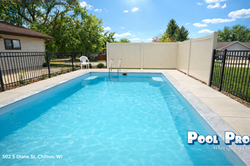 $90k Pool Project Example |
Long-Term Considerations: Looking Beyond the Horizon
Remember, owning a pool is a long-term commitment. Here's a detailed look at the ongoing costs and considerations:
1. Monthly Expenses:
-
Electricity for pool equipment: $30 - $150/month (varies by location, pool size, and pump motor efficiency)
-
Water for maintaining levels: $0 - $20/month (varies by utility source, price/gallon, and volume needed)
-
Chemicals for treatment: $25 - $80/month (varies by size of pool, usage, and maintenance routine)
-
Regular maintenance: $100 - $250/month (if hiring a service)
2. Potential Tax Implications:
-
Possible increase in property taxes due to increased home value
-
Potential deductions for home equity loan interest (consult a tax professional)
-
No direct tax benefits for pool ownership, unlike some home improvements
3. Insurance Considerations:
-
You may need to increase your homeowner's insurance coverage
-
Consider additional liability coverage (typically $1,000,000)
-
Some insurers offer discounts for safety features like fences and pool covers
4. Resale Value:
-
Impact varies significantly by local market
-
In warm climates, a well-maintained pool can increase home value by 5-8%
-
In cooler climates, the impact may be neutral or even slightly negative
-
Factors affecting value: pool condition, design, and how well it fits the neighborhood
5. Energy Efficiency:
-
Consider energy-efficient pumps and heaters to reduce long-term costs
-
LED lighting uses less electricity than traditional pool lights
-
A pool cover can reduce heating costs and water evaporation
6. Future Upgrades:
-
Budget for potential upgrades or renovations every 5-10 years
-
This might include resurfacing, equipment upgrades, or deck repairs
Common Financing Mistakes to Avoid
1. Underestimating the Total Cost: Remember to factor in all aspects of the project, not just the pool itself.
2. Choosing the Wrong Type of Loan: Make sure you understand the pros and cons of each financing option.
3. Not Shopping Around: Get quotes from multiple lenders to ensure you're getting the best rate.
4. Borrowing More Than You Can Afford: Just because you're approved for a certain amount doesn't mean you should borrow that much.
5. Ignoring the Impact on Your Credit Score: Multiple loan applications can temporarily lower your score.
6. Not Reading the Fine Print: Understand all terms and conditions before signing.
7. Failing to Consider Long-Term Costs: Remember, a pool is a long-term investment with ongoing expenses.
Alternative Financing Options
1. Pool-Specific Loans: Some lenders offer loans designed specifically for pool projects. These often have competitive rates and terms tailored to pool construction timelines.
2. Contractor Financing: Some pool builders offer their own financing options. While convenient, be sure to compare these with other loan options.
3. Peer-to-Peer Lending: Online platforms connect borrowers with individual lenders, sometimes offering competitive rates.
4. Home Improvement Loans: These unsecured loans are specifically for home upgrades and may offer better terms than general personal loans.
5. FHA 203(k) Loans: If you're buying a home that needs a bit more than some TLC and want to add a pool, this type of loan allows you to finance the purchase and improvements together.
How Financing Differs for Various Pool Types
1. Fiberglass Pools:
-
Often quicker to install, which can mean shorter-term financing needs
-
More predictable costs, making it easier to secure exact loan amounts
2. Concrete Pools:
-
Longer installation process may require staged financing
-
Higher potential for cost overruns, so consider a HELOC for flexibility
3. Vinyl Liner Pools:
-
Lower initial cost might mean smaller loan amounts
-
Consider future liner replacement costs in your long-term budget
-
Making a Splash: Your Path Forward
As you consider financing your swimming pool, review this comprehensive checklist:
✓ Assessed financial readiness
✓ Explored all financing options
✓ Created a comprehensive budget, including long-term costs
✓ Understood tax implications and insurance needs
✓ Checked local regulations and permit requirements
✓ Considered impact on home value
✓ Explored energy-efficient options
✓ Gained family agreement on the decision
✓ Obtained quotes from multiple lenders
✓ Read and understood all loan terms
Remember, a pool is more than just a backyard feature—it's an investment in your home, your lifestyle, and countless future memories. Take the time to make the right decision for your family.
At Pool Pros we're committed to helping you prepare for every step of your pool ownership journey. From choosing the right pool to finding the best financing option, we're here to ensure your backyard dreams become a reality.
Content on this page provided by River Pools and Spas.
Link to original page https://www.riverpoolsandspas.com/swimming-pool-financing-guide
The Top Frequently Asked Questions about Pool Financing
If you call after hours or if we are busy at the moment, leave a message and a Pool Pros associate will get back to you within 24 hours, unless it is the weekend or a National Holiday. In that case they will get back to you the next business day!
Contact
Pool Pros
Service Area Includes: All of Northeast Wisconsin and Central Wisconsin. Green Bay, Howard, Suamico, De Pere, Appleton, The Fox Valley, Door County, Wausau and everywhere in between
Pool Pros Inc
1449 Greenfield Ave
Green Bay,WI 54313
920-771-0107
Mon-Fri 7am - 3pm By Appt Only
Licensed and insured fiberglass pool installers proudly serving northeast and central Wisconsin
GET STARTED
Ready to Build the Backyard of Your Dreams?
Lets talk. Whether you're in Green Bay, Door County, Wausau, Appleton or Somewhere in between Pool Pros is here to help you dive in with confidence.
Get a free quote or call us today to start your pool journey.

